
Kinesiology with Kirstan
  • Home
  • What is Kinesiology?
  • Blog
  • Contact
Book now
  • Kinesiology and Learning Disorders

    20 February 2026
    little boy struggling to read, holding book on his head

    Kinesiology and Learning Disorders

    What is a learning disorder?

    A learning disorder is a neurodevelopmental condition which affects how the brain processes information, making it difficult to learn reading, writing or math in traditional school settings, despite high intelligence levels.

    Many children and adults experiencing these difficulties have a very high level of intelligence, but are held back through needing to expend a huge amount of mental energy to compensate for neurological differences.

    Additional factors that add to this load may include:

    • primitive reflexes: these are survival reflexes that should develop and integrate at specific times within the first few years of life. Poor integration may add stress to the body in many ways, including difficulties sitting still, holding a pen, and concentrating (1).
    • fight or flight: this is the automatic response our bodies create in response to stress, directing blood/oxygen and nutrients towards the legs, arms and heart/lung system-and away from the brain-to prepare us to run from danger (6). Great for survival, but terrible for learning as our brains need oxygen and blood to function properly.
    • Electrical ‘scrambling’: the cells in our brain communicate through electrical currents (as seen in EEG tests). These currents are easily interrupted by internal and external factors (5), which impair our brain’s ability to process information effectively.
    • Anxiety: if a child is experiencing learning disorders, there is often an element of anxiety that has developed through experiences where they were unable to learn at the same speed as their peers (2,3,4). This can affect their confidence in trying new things, and a fear of failure.

    Kinesiology techniques address these factors through:

    • identifying and removing stressors preventing the integration of primitive reflexes 
    • creating internal and external safety to allow the body to ‘turn down’ the fight and flight response, and return to a rest and digest state where the brain has access to more resources 
    • Identifying and reducing stressors that are contributing to neurological scrambling 
    • Building confidence and reducing anxiety through simple exercises designed to improve brain integration 

    References

    1. Evaluating Primitive Reflexes in Early Childhood as a Potential Biomarker for Developmental Disabilities
    2. Anxiety and Attentional Bias in Children with Specific Learning Disorders
    3. Learning and memory under stress: implications for the classroom
    4. Anxiety as a Common Biomarker for School Children With Additional Health and Developmental Needs Irrespective of Diagnosis
    5. Resting-State Electroencephalogram (EEG) as a Biomarker of Learning Disabilities in Children—A Systematic Review
    6. Fear and the Defense Cascade: Clinical Implications and Management
  • What is Acupressure?

    20 February 2026
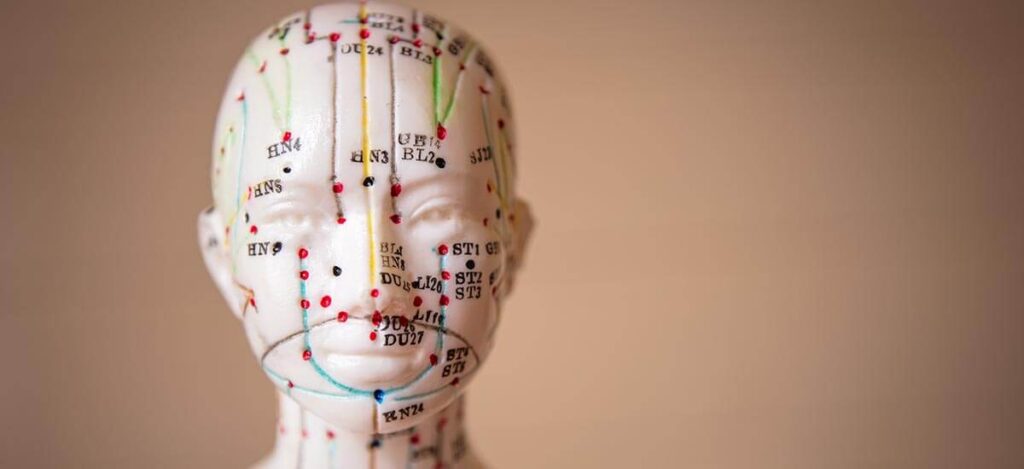
    acupressure points on the body

    What is Acupressure?

    Acupressure is the act of applying gentle pressure to specific points on the body. In kinesiology we use this in two ways: as a communication method with your body, and to correct imbalances.

    How can touching one point on the body help with a seemingly unrelated collection of symptoms?

    To understand this, we need to go right back to the origins of your body.

    When you were first conceived, you started out as just one single cell, known as a ‘zygote’. This is the fertilized egg.

    From there, cells started dividing and morphing into different types of cells to form your organs, glands, bones, etc.

    How did each cell know what it needed to become, and where it needed to go?

    An organising force in the form of electricity (Piezoelectricity) managed the development of your body like a highly skilled orchestra conductor. 

    Throughout the process of transforming from a zygote to a fully formed human being, many cells that were once side by side are separated by great distances within the body.

    The electrical connections between these now distal cells remain, forming electrical channels throughout the body. Chinese medicine has mapped these channels in lines called ‘meridians’.

    This organising force directed the creation of your body from within – and is responsible for maintaining the structural integrity throughout your body for your entire lifetime by managing cell regeneration and other important processes.

    For this reason, the unobstructed flow of Piezoelectricity is vitally important to your overall health and wellbeing.

    How can we improve the flow of Piezoelectricity?

    Scientists across biology and biotech disciplines have developed methods to detect and measure the presence of electrical currents within the living tissue – known as Piezoelectricity (1,3) and have been exploring how these currents can be manipulated to change the way cells behave (2).

    These currents have been found to be altered by mechanical interference (like touch), supporting the body of evidence for acupressure promoting cell regeneration and healing (2).

    Researchers have found acupressure to assist with improving wellbeing through:

    • Improving cognitive function (5,6,7)
    • Improving sleep quality (6,10)
    • Reducing depression, anxiety and stress (8)
    • Reducing back pain (10)
    • Reducing period pain, menstrual migraines, and other menstrual related side effects (dysmenorrhea) (12,14)
    • Reducing chronic neck pain (15)
    • Reducing the fight/flight response (sympathetic nervous system hyperactivation) (15)

    Acupressure uses the same understanding of meridians as acupuncture – just without the needles. Some studies have found acupressure to be equally effective as acupuncture (10,12).

    References 

    1. Three-dimensional piezoelectric fibrous scaffolds selectively promote mesenchymal stem cell differentiation
    2. Smart piezoelectric biomaterials for tissue engineering and regenerative medicine: a review
    3. Biological significance of piezoelectricity in relation to acupuncture, Hatha Yoga, osteopathic medicine and action of air ions
    4. Touch, Tension, and Transduction – The Function and Regulation of Piezo Ion Channels
    5. Acupressure and Cognitive Training Can Improve Cognitive Functions of Older Adults With Mild Cognitive Impairment: A Randomized Controlled Trial
    6. The Effects of Acupressure Training on Sleep Quality and Cognitive Function of Older Adults: A 1-Year Randomized Controlled Trial
    7. Acupressure as a non-pharmacological intervention for traumatic brain injury (TBI)
    8. The effects of acupressure on depression, anxiety and stress in patients with hemodialysis: a randomized controlled trial
    9. Invasive or noninvasive? A systematic review and network meta-analysis of acupuncture and acupressure to treat sleep disturbance in cancer patients
    10. Clinical Efficacy and Safety of Acupressure on Low Back Pain: A Systematic Review and Meta-Analysis
    11. Acupuncture or Acupressure at the Sanyinjiao (SP6) Acupoint for the Treatment of Primary Dysmenorrhea: A Meta-Analysis
    12. Comparison of the Prophylactic Effect Between Acupuncture and Acupressure on Menstrual Migraine: Results of a Pilot Study
    13. Comparative Effects of Acupressure at Local and Distal Acupuncture Points on Pain Conditions and Autonomic Function in Females with Chronic Neck Pain
  • Kinesiology to Support Cancer Treatment

    20 February 2026
    holding hands at the beach

    Kinesiology to Support Cancer Treatment

    It’s important to note that kinesiology does not treat cancer – or cure it. Your oncology team will guide you through your options and help you choose the most appropriate medical treatment.

    However, as a complementary therapy kinesiology can ‘turn down your internal thermostat’, which may improve your quality of life and overall feeling of wellness through removing additional stress burdens on you.

    Kinesiology may support you through:

    • Balancing your emotional state.
      A cancer diagnosis is often an emotionally intense experience. It can trigger a range of feelings, depending on past experiences and available coping strategies.
      This emotional intensity can dysregulate our nervous system which disrupts our biological processes, redirecting energy to navigate the emotional challenges faced.
      These disruptions can be helpful in the short term – moving to a ‘fight or flight’ state can mobilise the energy needed to get to appointments, or even just face the day.
      But if nervous system disruption continues for too long or is too intense, it can lead to chronic dysregulation: either stuck in fight or flight mode where the body’s ability to rest and heal is compromised, or in a ‘freeze’ state where we dissociate from our bodies’ missing important internal cues guiding us on how best to care for ourselves.
    • Calming your nervous system to help your body return to a ‘rest and digest state’.
      Kinesiology may help create space to take a step back from the whirlwind of appointments and interventions, which allows you to return to a calmer state. The parasympathetic (rest and digest) state is where deep healing can occur.
    • Unscrambling your thoughts to unfold a sense of clarity. Overwhelm is an exhausting and unpleasant state to be in. Kinesiology may help clear your thought processes so you can focus on what is most important to you at this time.
    • Addressing any unhelpful patterns that can form barriers to healing
      If we have assumed a caregiver role throughout our life, it can be difficult or uncomfortable for us to accept help. Reducing or removing this internal stress frees up energy that would otherwise be tied up in those emotions.
    • Balancing your hormones and metabolic processes to help your body adjust to internal and external changes
      Through returning your body to a rest and digest state regularly, your body may be able to redirect more energy towards cell regeneration, digestion, and hormonal balance – essential biological processes your body needs for wellness.

    For a confidential chat about how kinesiology may support you, please click here to contact me.

  • Kinesiology and Persistent or Chronic Pain

    20 February 2026
    eucalyptus bark

    Kinesiology and Chronic Pain

    If you have experienced pain for more than 3-6 months, you may have heard the term ‘Chronic pain’. (1)

    This pain may have started with an acute injury or disease, or maybe it seemed to come out of nowhere.

    When pain becomes a daily companion it can be debilitating in many ways(2,3)

    • Brain fog: It can be harder to concentrate (6)
    • Restricted movement: It often restricts our mobility and strength as we try to avoid further pain
    • Anger and frustration: (7)
    • Strained relationships: It affects our moods, with a flow on effect of straining relationships (4,6,7)
    • Social isolation: It can prevent us from fully participating in activities we used to enjoy (4,6)
    • Fatigue: often we are unable to sleep due to the constant discomfort (6)
    • Depression: all of the above can lead to a sense of hopelessness and depression (4,6)
    • Medication and digestive issues:

    All of which may affect our sense of self, our sense of purpose and can really shake our understanding of the meaning of our life (3,4)

    To add insult to injury, the actions we take to avoid further pain can often lead to other issues. For example, if we have chronic pain in one hip, this is likely to negatively affect our posture and ‘good side’ as we rely more one the other leg to take more of our weight.

    How can kinesiology work with chronic pain?

    Kinesiology works to uncover the root cause of your symptoms, and what your body needs to return to a more comfortable state.

    Some of the contributing factors kinesiology explores includes:

    • Primitive and postural reflexes
    • Holding patterns creating unnecessary tension
    • Anxiety
    • Fight/flight response
    • Breathing habits/vagal tone
    • Centring and proprioceptive systems
    • Inflammation
    • Structural imbalances
    • Social factors(5)

    References

    1. Chronic Pain
    2. Chronic Pain: What Does It Mean? A Review on the Use of the Term Chronic Pain in Clinical Practice
    3. Understanding the chronic pain journey and coping strategies that patients use to manage their chronic pain: a qualitative, patient-led, Canadian study
    4. “It’s kind of just like a never-ending cycle”: Young people’s experiences of co-existing chronic musculoskeletal pain and mental health conditions
    5. Anger Suppression and Subsequent Pain Behaviors among Chronic Low Back Pain Patients: Moderating Effects of Anger Regulation Style
    6. Pain, Anger, and Aggression: A Complex Interplay of Symptoms, Social Factors, and Behaviors
    7. The prevalence of perceived injustice and factors associated with perceived injustice in people with pain: A systematic review with meta-analysis